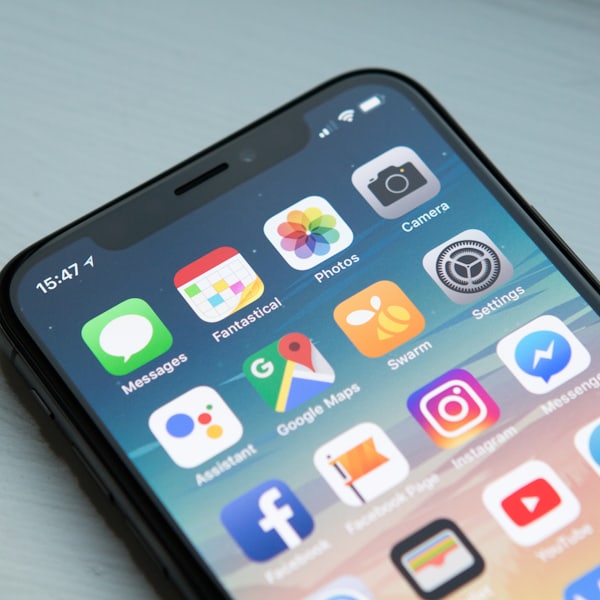
If you sell on Shopify and you are deciding how to put your store in a shopper's pocket, you will run into two answers fast: a progressive web app (PWA) or a real native app. They sound similar, and a sales deck will happily blur the line between them. They are not the same thing, and the difference shows up exactly where it matters: installs, repeat visits, and orders.
This is a practical walk through what each one actually is, where a PWA quietly leaks revenue, what native unlocks, and the honest cases where a PWA is the right call.
What a PWA actually is
A PWA is your website with extra capabilities bolted on. It runs in the browser engine, can be saved to the home screen, and can cache assets so it loads when the connection is poor. On paper that sounds like an app. Under the hood it is still a web page, rendered by the browser, subject to the browser's rules.
A real native app is compiled code that ships through the App Store and Play Store. The shopper installs it the same way they install every other app on their phone. It uses the platform's own navigation, image handling, and gesture system rather than recreating them in HTML.
Where PWAs quietly fall short on iOS
The gap is widest on iPhone, which is where a lot of higher-intent shoppers are. A few specific friction points add up:
- Home-screen install is a hidden, multi-tap flow buried in the share sheet. Most shoppers never find it, so the "installed app" advantage mostly evaporates.
- Push notifications on iOS are newer, more limited, and easier for the shopper to lose track of than a true native push. Push is the single biggest lever for bringing someone back, so weak push is expensive.
- There is no App Store listing. You give up store search, the category browse, ratings, and the simple credibility of being a downloadable app people can find.
- Background behavior and storage are more aggressively reclaimed, so the "it just opens instantly" promise is less reliable over time.
None of these are dealbreakers on their own. Together they mean a PWA tends to behave like a good mobile website with an icon, not like an app shoppers open out of habit.
What a real native app unlocks
Going native is not about chasing a spec sheet. It is about removing the friction between a shopper and a second, third, and tenth order.
App Store presence and discovery
A listing in the App Store and Play Store is a real acquisition channel. People search stores, browse categories, and trust an installable app in a way they do not trust a "add to home screen" prompt. The install itself is one tap from a place shoppers already go.
Reliable push
Native push is the channel that turns a one-time buyer into a repeat one. A back-in-stock alert, an order update, or a launch announcement lands the way every other app notification lands. That reliability is hard to match in a browser sandbox.
Native speed and gestures
Native navigation transitions, image loading, and swipe gestures are handled by the platform, not redrawn in a web view. The result is the kind of perceived speed shoppers associate with a quality app: screens that feel instant and gestures that feel right.
An install graph you own
Every native install is a durable relationship on a device you can reach again. That owned audience compounds over time, and it does not depend on a browser tab the shopper has long since closed.
When a PWA is genuinely fine
Native is not always the answer, and it is worth being honest about that. A PWA can be the right tool when:
- Your traffic is overwhelmingly one-time visitors who will not come back enough to justify an install.
- You mainly want offline caching and faster repeat page loads, not push or store presence.
- You are early, testing demand, and not ready to maintain app store listings and review cycles.
If repeat purchase and re-engagement are not central to your business yet, a PWA gets you most of the loading-speed benefit without the overhead. The moment retention starts driving revenue, the math tilts toward native.
How Appolar approaches this
Appolar compiles your Shopify store into real native iOS and Android binaries, submitted to your own Apple and Google accounts. It is not a web view in an app icon. Checkout hands off to your real Shopify Checkout, so you keep the payment setup, gateways, and trust shoppers already have. And because the listing lives on your accounts, you own the reviews, the install graph, and the app itself, even if you ever stop using Appolar.